How to Actually Study — Guides for Grades 5–10
Clear, calm explainers on how to study — what matters, what to remember, how to check yourself. Written to help, not to overwhelm.

How to Embrace Productive Struggle in Your Homework (Grades 5-10)
Stuck on homework and want to peek at the answer? Learn how productive struggle helps you actually learn the hard problems, with simple moves to try tonight.

How to Help Your Child Manage Study Frustration
Study frustration is a skill gap, not a behavior problem. A calm, step-by-step routine to help your child move through homework meltdowns and self-regulate.

Active Recall: How to Remember What You Studied (Grades 5–10)
Active recall means closing your notes and answering from memory instead of rereading. Here's how to study by testing yourself in just a few minutes a day.

How to Use AI for Active Recall Without Cheating
Learn how to use AI study tools to quiz yourself with active recall instead of letting them do the thinking. A simple, honest method you can try tonight.

Why Studying Feels Hard (And Why That's Good)
When studying feels hard, your study skills are usually working, not failing. Here's why the effort means the learning is sticking, plus 5 ways to use it.

Time-Boxing: How to Stay Motivated to Study (Grades 5-10)
Can't make yourself start studying? Time-boxing sets a small, fixed timer so just showing up is the only promise you keep. A simple method for grades 5-10.

How to Use AI for Studying Without Cheating (Grades 5–10)
Learn how to use AI for studying the right way: explain hard ideas, quiz yourself, and check your own thinking — your study partner, not your ghostwriter.

Separate Study and Fun Devices to Build Better Study Habits
Help your child build stronger study habits by keeping learning and entertainment on separate devices. Five calm, no-nag moves you can set up tonight at home.

How to Help Your Neurodivergent Student Study (Grades 5-10)
Practical ways to help your neurodivergent student study in grades 5-10: shrink tasks, externalize memory, build routines, and scaffold recall without nagging.
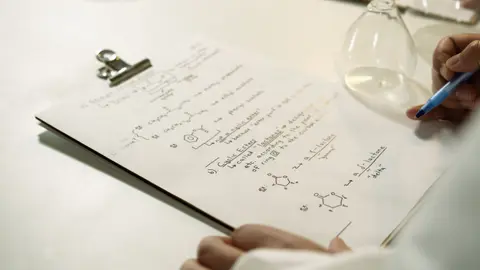
How to Use Anchor Charts to Remember Key Concepts (for Students)
Learn how to make and use your own anchor charts to remember key concepts. Turn messy notes into one clear page, then quiz yourself so it really sticks.
hello.study teaches this as a daily habit.
Reading about how to study is a start. Doing it for 90 seconds a day is what makes it stick.